The layering of theme and intention and spectacle is what makes Ryan Coogler's Sinners so rich, so dense, and so sneakily straightforward; like all great horror, Sinners is operating on levels that go as deep inside its characters as the blood and gore it splatters onscreen.
PositionFrequent Contributor
JoinedOctober 10, 2018
Articles13
Roxana Hadadi is a TV critic for Vulture and New York magazine who also writes about film and pop culture. Previously, she was the film editor of Pajiba and a regular contributor to RogerEbert.com, Crooked Marquee, The A.V. Club, Polygon, The Los Angeles Times, GQ, Fox, and various other publications. She has also been published by Criterion and Film Movement.
In Jonathan Demme’s 2004 adaptation of The Manchurian Candidate, the truth is a nightmare.
Spike Lee's 25th Hour is a movie about unwanted change, about forced adaptation, about how our choices have consequences we can’t understand and can’t foresee, about how our identities are impossible-to-parse combinations of nature and nurture and nationalism, about how the myth of the American dream is persistent and prolonged and relies on our performance of it.
On the uneasy duality of Identity in Mira Nair's The Namesake.
The weight of family and the sacrifice for a better life in Sam Mendes' Road to Perdition.
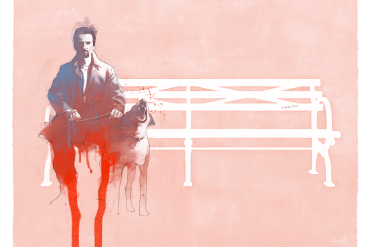
On the journey to hell and back in The Crow.
The exclusivity of that Los Angeles phenomenon—and the loneliness inherent within it—is the focus of writer-director Sofia Coppola’s only male-centered film, Somewhere.
In Cat on a Hot Tin Roof, a carnal energy roils and simmers in the air, like the thunderstorms rolling in over the plantation, drenching everyone to the bone.
Paradise Now provides humanity to the oppressed, even as years of continued violence chip away at their personhood, providing a defense of the disenfranchised and a portrait of damaged resilience that still remains incomparable nearly fifteen years later.
Through the Olive Trees is about the melding of two guiding principles: the aching yearn we all have for human companionship, and the knowledge gained by peeking behind the cinematic curtain and seeing ourselves.
Dr. Zhivago makes me think of how my own parents measure time: before the revolution, and after it.
To be aware of beauty is to be corrupted by it, to develop a covetous lust for it, to equate possessing it with consuming it.