For most of Spielberg’s career, science fiction has been the mechanism through which he learns and teaches empathy. But in Disclosure Day, empathy itself is the speculative leap. The genre function is inverted: science fiction stops speculating about aliens and starts speculating about us. Aliens are ordinary. Human compassion is extraordinary. The sci-fi is us.
Lucrecia Martel’s new documentary feature Nuestra Tierra is a portrait of a particular community on a particular plot of land in a particular municipality, but it opens in the non-descript vacuum of space.
The formal ambition of Steven Soderbergh's Presence ties into its awareness of and reverence for the narrative possibilities of the ghost story. Knowing that everything the audience sees is a product of an entity, the camera becomes not just an eye, but an entire being.
It’s an exciting thought—Dylan the preternatural genius who can’t walk down the street without a brilliant song falling from his pockets. There’s a kernel of truth to it, of course, but is it effective drama? Or is Dylan a cipher at the center of his own story?
Like everything RaMell Ross touches, his adaptation of Nickel Boys exists on its own terms. It blurs traditional lines of genre and form, yet elicits guttural reactions from its viewers, who experience each intimate frame of film as a window into the tragic lives of Elwood and Turner as they navigate the sinister landscape of Nickel Academy.
I approached Jon M. Chu’s adaptation of Wicked with skepticism. Were we really doing this all over again? Was I still being asked to take this bizarre Wizard of Oz-inspired, anti-fascist fanfiction seriously? Those answers soon became irrelevant. Thirty minutes into the film, I leaned over to my friend and said: “I’m kind of loving this.”
Alessandra Lacorazza's In the Summers succeeds in the quiet moments that cut through the simmering tensions of faded, dusty childhood dreams, uncertain adult futures, and shoddy attempts at open-hearted communications.
After a run of crummy films about “age gap relationships," what a relief it is to see Between the Temples, a film whose maybe-lovers seem to be overwhelmed by their affection for one another.
M. Night Shyamalan’s emotionally autofictional dramaturgies aren’t accidents. They’re records of the artist’s convictions—among other things, his waxing and waning belief in the goodness of others, and the ever-present dilemma of what one can, should, or might do when the outside world intrudes.
For Richard Linklater, Hit Man is a genre exercise, or really, an exercise in the idea of genre—because, as the film repeatedly reminds you, it's more about perception and the malleability of identity than it is a true thriller.
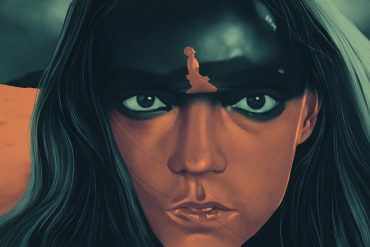
I spent much of Furiosa wondering why this film existed—less “who is this for?” and more “why is this here?” The answer that emerged over the course of viewing, considering, and then rewatching Fury Road was that of character, not of plot—Furiosa exists to show us how a drive for revenge can turn into a drive for redemption.
Perhaps this is the hidden genius of something like Michael Showalter's The Idea of You, situated neatly in the title of the film itself: nothing is ever as good as the concept of something is.