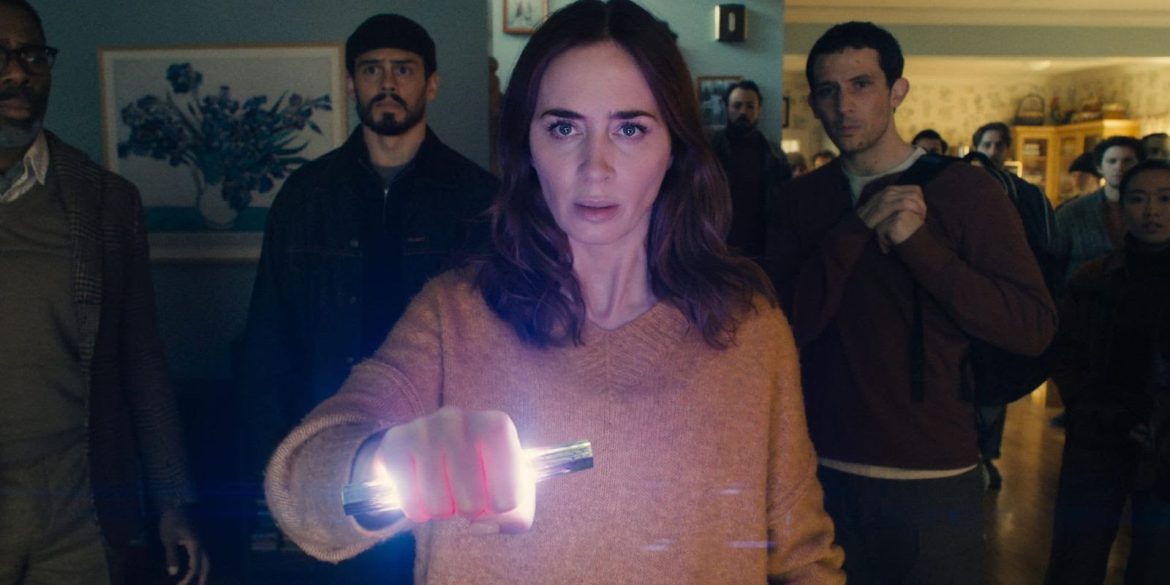
For most of Spielberg’s career, science fiction has been the mechanism through which he learns and teaches empathy. But in Disclosure Day, empathy itself is the speculative leap. The genre function is inverted: science fiction stops speculating about aliens and starts speculating about us. Aliens are ordinary. Human compassion is extraordinary. The sci-fi is us.
Spielberg believes in magic all right, Christmas or otherwise.
When I first saw Raiders of the Lost Ark as a kid, I didn’t know a thing about tracking shots, composition, or visual framing—I only knew I wanted this film in my brain forever.
Spielberg’s dystopian vision in A.I. retains a sincere humanity at its heart, even while acknowledging that that heart isn’t beating.
Spielberg’s adaptation of J.G. Ballard’s autobiographical novel, about his time in a Japanese-run internment camp in China, comes at us less as an argument than as a series of cinematic intensities.
Jurassic Park began as a novel, a cautionary tale about genetic engineering. On screen, it became a metaphor for reproductive fears and patriarchal control.
Spielberg is a great filmmaker, not a great thinker. And that's the problem.
on The Sugarland Express (1974)


